3D Fireplace Wall Tiles B2B Buy
3D Fireplace Wall Tiles B2B Buy
Technical Specifications and Application Grade for 3D Fireplace Wall Tiles
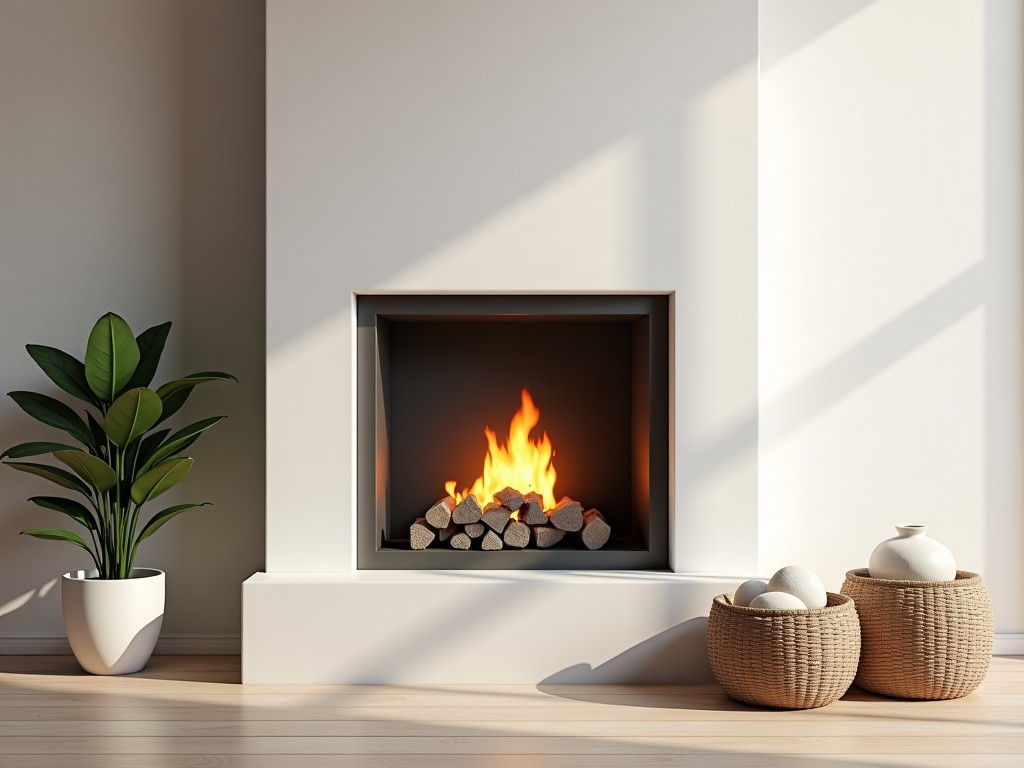
Architectural 3D fireplace wall tiles are engineered to provide structural depth and thermal resilience in residential and commercial hearth environments. Unlike flat-surface cladding, these modular panels utilize geometric relief to manage light distribution and shadow, creating significant visual impact while maintaining the performance standards required for high-heat zones. For design engineers and procurement teams, the focus remains on dimensional stability, fire resistance, and the ease of integration into existing masonry substrates.
Material Selection and Thermal Performance
The choice of base material dictates the tile's reaction to thermal expansion and mechanical stress. Industrial-grade applications typically utilize three primary compositions based on the specific thermal load and aesthetic requirements of the fireplace surround:
- Porcelain & Ceramic Composite: Offers the highest density and lowest water absorption. Ideal for direct-heat exposure where moisture resistance and color stability are critical.
- Reinforced Concrete: Utilized for its high compressive strength and natural thermal mass. The material absorbs and retains heat slowly, preventing cracking during rapid cooling or heating cycles.
- Polymer-Modified Stone: Used primarily in non-comb decorative facades where weight reduction is a primary constraint for structural load-bearing walls.
Engineering Considerations for Installation
When specifying 3D wall cladding for fireplace assemblies, engineers must account for the substrate preparation and the adhesive bond. High-precision tiles are manufactured with tight tolerances to ensure that the geometric patterns align across multiple panels without visible grout lines that would disrupt the visual flow. The use of thin-set mortars rated for high temperatures is mandatory to prevent delamination caused by differential thermal expansion.
| Specification | Standard Range | Industrial Benefit |
|---|---|---|
| Thickness Variation | 8mm - 25mm | Impact resistance & shadow depth |
| Dimensional Tolerance | ±0.5mm | Pattern alignment precision |
| Water Absorption | <0.5% (Porcelain) | Stain and frost resistance |
| Fire Rating | Class A / Non-combustible | Safety in high-heat zones |
Manufacturing and Quality Control
Our production process utilizes high-precision CNC molding to ensure that the 3D relief geometry remains consistent across entire production batches. This consistency is vital for large-scale projects where variations in pattern depth could lead to installation failures. Each batch undergoes rigorous thermal shock testing to ensure the material can withstand the temperature fluctuations inherent in active fireplace operation.
Customization and ODM Services
For OEM buyers and large-scale architectural developments, we provide customization options. This includes bespoke geometric profiles based on CAD files and specialized surface finishes ranging from matte textured to metallic oxides. We work with technical teams to ensure the final design meets the specific structural and aesthetic requirements of the project.
Frequently Asked Questions
Can these tiles be used directly behind a firebox?
Yes, provided the material is non-combustible porcelain or stone and maintains the required clearance as specified by local building codes to prevent heat-related damage to the substrate.
What is the best adhesive for 3D surfaces?
We recommend high-performance polymer-modified thin-set mortars to ensure a flexible bond that accounts for the natural expansion of the wall and tiles.
Require technical data sheets or a bulk quote for your next project?
Contact Our Engineering Team