B2B Supplier Large Porcelain Outdoor Tiles
B2B Supplier Large Porcelain Outdoor Tiles
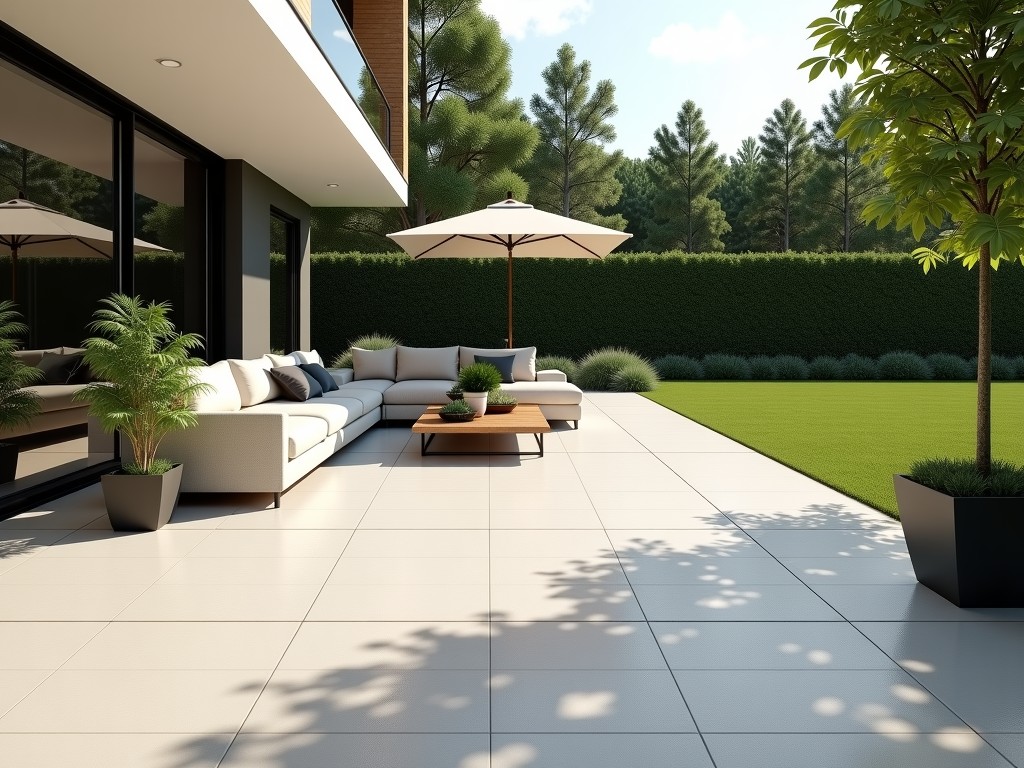
Large-Format Porcelain Outdoor Tiles: Engineering Specifications and Application
Selecting materials for exterior environments requires a balance between aesthetic continuity and mechanical durability. Large-format porcelain outdoor tiles differ from standard ceramic alternatives through their high-pressure pressing process and vitrification at temperatures exceeding 1200°C, resulting in a dense microstructure with near-zero water absorption. This process ensures the material can withstand extreme thermal fluctuations, UV exposure, and heavy mechanical loads common in commercial and premium residential outdoor projects.
Material Performance and Environmental Resistance
In outdoor applications, the primary failure points are freeze-thaw cycles, chemical degradation, and dimensional instability. Standard porous materials absorb moisture which expands upon freezing, leading to spalling and surface delamination. Large porcelain tiles are engineered with a water absorption rate typically less than 0.5%. This low porosity effectively prevents moisture ingress, ensuring the structural integrity of the tile over decades of exposure to varying climates.
Key Engineering Advantages
- Mechanical Strength: High modulus of rupture allows for thinner spans in high-traffic pedestrian or light vehicular zones.
- Thermal Stability: Low coefficient of thermal expansion minimizes the risk of cracking during rapid solar heating or sudden temperature drops.
- Chemical Inertness: Resistant to salts, de-icing agents, and alkaline cleaning solutions that often etch natural stone.
- UV Resistance: Pigments integrated into the body or surface glaze prevent fading under high-intensity solar radiation.
Technical Specifications for Procurement
Procurement teams must evaluate dimensional tolerances and surface friction coefficients to ensure installation meets safety codes and project-specific architectural requirements. The following table outlines the standard performance parameters for industrial-grade large-format porcelain slabs.
| Property | Typical Specification Value |
|---|---|
| Water Absorption | < 0.5% |
| Slip Resistance Rating | R11 to R13 (Outdoor Grade) |
| Modulus of Rupture | > 35 N/mm² |
| Dimensional Tolerance | ±0.5% to 1.0% |
| PEI Rating | Class 4 (Heavy Traffic) |
Installation Logic and Substrate Requirements
The use of large-format tiles (often exceeding 90x90cm up to 120x280cm slabs) necessitates a precise substrate preparation. Unlike small-format tiles, these slabs are sensitive to substrate irregularities. For outdoor use, mechanical leveling is often recommended to ensure uniform mortar distribution. Poor leveling can lead to hollow spots, resulting in tile fractures under point loads.
Installation methods typically include thin-set application with high-performance modified mortars or dry-lay systems using adjustable pedestals. Dry-lay systems allow for superior drainage beneath the surface, which is critical for roof decks and terraces to prevent hydrostatic pressure buildup.
Application Scenarios
Commercial Plazas
High-traffic pedestrian zones requiring maximum slip resistance and ease of maintenance against industrial cleaning equipment.
Luxury Roof Terraces
Architectural applications where weight reduction and seamless visual transitions are primary design drivers.
Hospitality Enimeters
Poolside areas requiring chemical resistance to chlorine and high thermal stability for barefoot safety.
Quality Control and Logistics Considerations
To maintain consistency across large-scale projects, each batch undergoes rigorous laser-testing for flatness and color matching (Delta E). For international shipping, packaging is critical; large-format slabs are secured in reinforced wooden crates with edge protection to prevent micro-fractures during transit.
We provide technical data sheets and test reports upon request to assist engineers in the specification-writing process. Review available technical specifications for your specific project requirements.
Need a Technical Consultation?
Contact our engineering team to discuss custom dimensions, slip ratings, and bulk supply logistics.
Request Technical Quotation