ODM Commercial Terrazzo Floor
ODM Commercial Terrazzo Floor
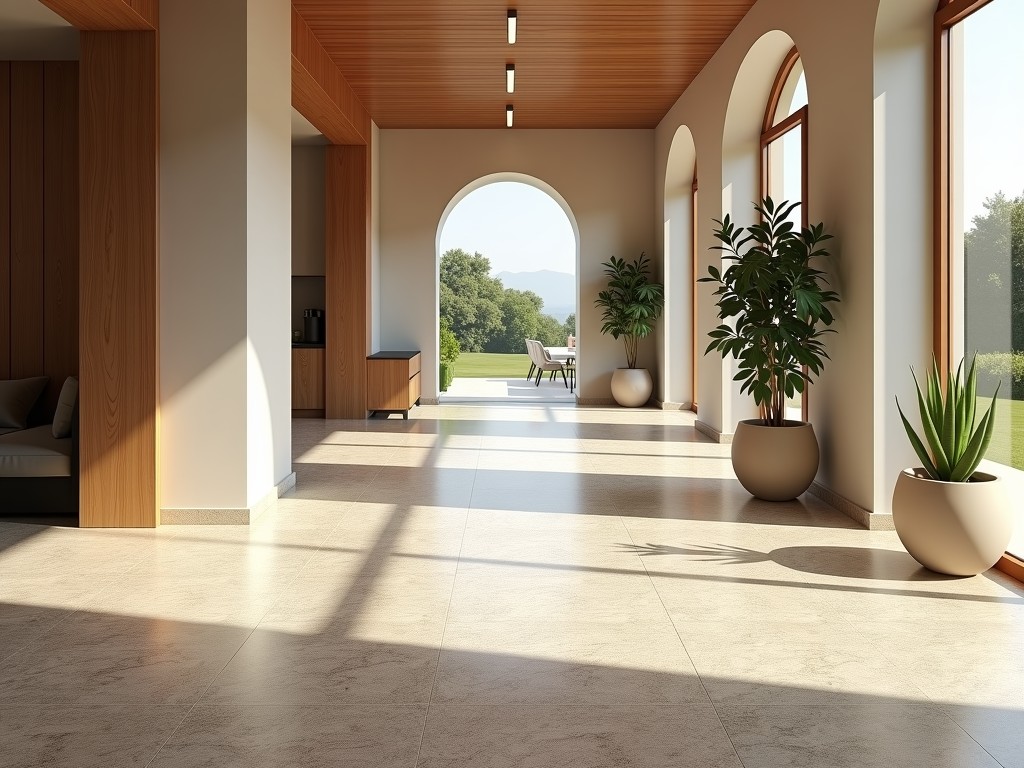
High-Performance Commercial Terrazzo Flooring
Commercial terrazzo flooring is a monolithic architectural solution engineered for high-traffic environments where structural durability and chemical resistance are critical. Unlike modular tiled systems, this system utilizes a composite of mineral aggregates set in a high-strength binder matrix, creating a seamless surface that resists mechanical shear and heavy load impacts.
Engineering Perspective and Material Selection
The performance of commercial terrazzo depends on the chemical bond between the binder and the aggregate. In industrial and heavy commercial applications, we typically evaluate between epoxy-based and cement-based systems. Epoxy-based terrazzo offers rapid curing times and superior resistance to acids and solvents, whereas cement-based systems are selected for large-scale projects requiring thermal mass stability.
- Aggregate Selection: Marble, granite, glass, or engineered quartz selected based on density and porosity requirements.
- Binder Matrix: High-performance polyurethane epoxy or white cement formulated for maximum adhesion to the substrate.
- Surface Finish: Multi-stage grinding and polishing to achieve specific slip resistance coefficients (SRV) and aesthetic gloss.
- Sealing: Penetrating lithium densifiers or high-build polyurethane topcoats to prevent staining and particulate ingress.
Technical Specifications
| Parameter | Typical Value | Testing Standard |
|---|---|---|
| System Thickness | 8mm to 20mm | Custom based on load-bearing |
| Compressive Strength | 6,000 - 10,000 PSI | ASTM C39 |
| Chemical Resistance | High (Acids, Oils, Salts) | ASTM D543 |
| Slip Resistance | COF ≥ 0.60 | ASTM E105 |
| Cure Time (Traffic) | 24 Hours | Varies by resin |
Manufacturing and Installation Quality Control
The integrity of a terrazzo floor is determined during the substrate preparation and the pouring phase. We begin with rigorous substrate moisture testing (typically requiring < 4% for epoxy) and mechanical profiling to prevent future delamination or shrinkage cracking. Once the base is verified, the process follows a precise sequence:
1. Surface Prep
Diamond grinding of the existing concrete to ensure a mechanical key for maximum bonding with the primer layer.
2. Aggregate Laying
Precision placement of aggregates within the resin matrix to ensure uniform distribution and prevent structural voids.
3. Grinding & Polish
Progressive diamond-mesh grinding to expose the aggregate and achieve the specified planar tolerance.
Demanding Application Solutions
Terrazzo is specified for environments where maintenance costs must be balanced against lifecycle longevity. Its monolithic nature eliminates grout lines where bacteria and debris typically accumulate.
- Healthcare & Laboratories: Resistance to rigorous sterilization protocols and non-porous surface for hygiene compliance.
- Industrial Hubs: Exceptional abrasion resistance under forkl; high-density aggregate selection for high-impact zones.
- Retail & Transit Terminals: High-aesthetic durability that withstands constant foot traffic and rolling equipment pivot points.
- Commercial Kitchens: Thermal stability and resistance to organic acids and degreasasing agents.
Frequently Asked Questions
What are the substrate requirements for epoxy terrazzo?
The concrete substrate must be structurally sound, minimum 3,000 PSI compressive strength, free of oil or contaminants, and have a moisture content below 4% to prevent vapor blistering or adhesive failure.
Can the aggregate patterns be customized for corporate branding?
Yes, we utilize metal dividers (brass or aluminum) to integrate logos, directional patterns, or geometric designs directly into the floor during installation.
What is the lead time for large-scale installations?
Lead times vary based on square footage and complexity. Typically, we require a 4-6 week lead time for material specification and site assessment prior to project mobilization.