Sintered Stone Slabs Supplier
Sintered Stone Slabs Supplier
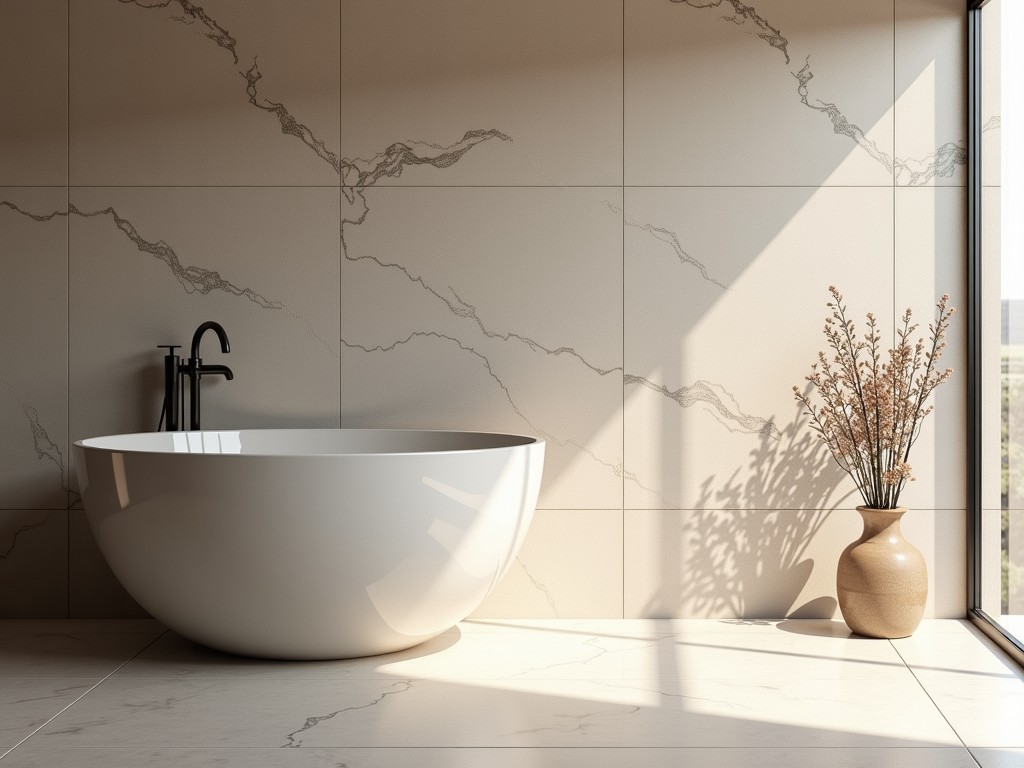
High-Performance Sintered Stone Slabs for Industrial and Architectural Scale Applications
Selecting a sintered stone slab supplier requires an understanding of the mineralogical composition and the thermal-mechanical properties of the final material. Unlike natural stone, which varies in porosity and structural integrity, sintered stone is engineered through a process of subjecting raw minerals—such as silica, quartz, and porcelain—to extreme pressure and heat. This results in a non-porous surface with high Vickers hardness, making it suitable for high-traffic commercial environments where chemical resistance and dimensional stability are non-negotiable.
The Engineering Behind the Sintering Process
The performance of the slab is determined during the vitrification stage. By compressing materials at temperatures exceeding 1,200°C under pressures reaching 50,000 tons, the molecular structure undergoes a transformation. This process eliminates the internal voids found in traditional ceramics, resulting in a material that is virtually impermeable. For procurement teams, this translates to a zero-risk profile regarding microbial growth and high resistance to thermal shock in outdoor facade applications.
- Water Absorption: Typically less than 0.05%, preventing staining from acidic liquids, oils, or organic compounds.
- Surface Hardness: High rating on the Mohs scale, ensuring resistance to abrasion and scratching from impact.
- UV Stability: Inorganic pigments ensure color fastness, preventing fading under prolonged solar exposure.
- Flexural Strength: High modulus of rupture allows for thinner profiles in cladding without compromising structural load.
Technical Specifications and Tolerances
| Property | Standard Value | Testing Method |
|---|---|---|
| Thickness Options | 6mm, 9mm, 12mm, 20mm | Customized upon request |
| Dimensional Tolerance | ± 0.2mm | Machined edge |
| Bending Strength | ≥ 35 N/mm² | ISO 10545-4 |
| Chemical Resistance | Class 1 (Excellent) | ISO 10545-9 |
Industrial Application Scenarios
Sintered stone is utilized where traditional materials fail due to environmental stress. Because the material does not expand or contract significantly with temperature, it is preferred for precision-engineered joints in large-scale architectural projects.
Commercial Infrastructure
Ideal for laboratory countertops and food processing environments where resistance to harsh solvents and high heat is required.
Exterior Facading
Used in high-rise cladding systems where UV resistance and structural stability prevent degradation over decades.
Hospitality Design
Heavy-duty flooring and bar tops that require aesthetic variety combined with extreme-impact resistance.
Quality Control and Logistics Framework
To mitigate risk during international transit, our logistics protocol emphasizes structural reinforcement. Each slab undergoes ultrasonic testing to detect internal micro-fractures not visible before eye. For export, we utilize reinforced steel-framed timber crates with custom foam contour inserts to prevent vibration-induced stress during sea freight.
For OEM and large-scale projects, we offer precision CNC-edge processing based on specific architectural drawings. This ensures that the material arrives on-site ready for installation, reducing on-site labor and waste.
Frequently Asked Questions
Can sintered stone be used for outdoor flooring?
Yes. Due to its near-zero water absorption, it is resistant to freeze-thaw cycles and UV-induced fading, making it superior to many natural stones for exterior de-use.
How is the material handled during CNC cutting?
Sintered stone is harder than granite. It requires diamond-tipped cutting tools and constant water cooling to prevent thermal stress and material chipping at the edges.
Ready to discuss your project specifications?
Contact our technical team for data sheets, lead time estimates, and custom fabrication inquiries.
Request a Technical Consultation