Three D Tiles For Decorative Wall For Sale
Three D Tiles For Decorative Wall For Sale
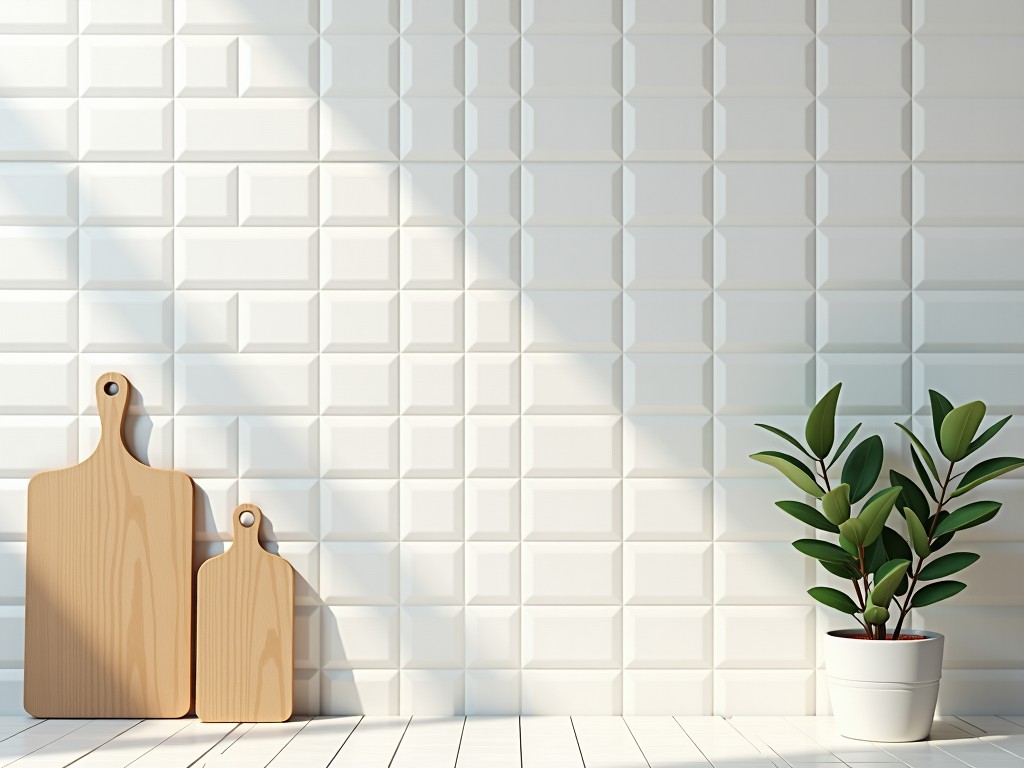
High-Performance 3D Decorative Wall Tiles for Architectural Enclosures
Integrating 3D decorative tiles into modern infrastructure requires a balance between aesthetic intent and material-driven structural compatibility. Unlike traditional flat-surface cladding, three-dimensional tiles utilize geometric depth to manipulate light and shadow, providing visual interest in commercial and industrial environments. For procurement managers and architects, selecting the correct system depends on the substrate's load stability, thermal expansion requirements, and the ease of installation within large-scale projects.
Engineering Considerations for Material Selection
The performance of a 3D wall tile is dictated by its base composition and manufacturing process. Different materials offer distinct mechanical properties regarding moisture resistance, impact strength, and dimensional stability.
- Porcelain Ceramic: Character by low water absorption (<0.5%) and high hardness. Ideal for high-traffic commercial zones and environments where chemical resistance is critical.
- Fiber Reinforced Concrete (GFR): Provides a lightweight alternative to solid stone while maintaining tensile strength. Suitable for large-scale installations where reducing dead load on the structure is a primary constraint.
- Polymer Composite: Offers maximum geometric flexibility and rapid installation cycles. Best utilized in interior decorative applications where weight reduction is prioritized over extreme thermal resistance.
- Metal (Aluminum Alloy): Utilized for industrial-aesthetic-facades requiring high fire-rating performance and specific thermal expansion coefficients.
Technical Specifications and Comparison
| Property | Engineered Porcelain | GFR Concrete | Polymer Composite |
|---|---|---|---|
| Water Absorption | <0.5% | 3-6% | <1% |
| Density (kg/m³) | 2200-2400 | 1800-2100 | 1200-1600 |
| Surface Hard | PEI 4-5 | PEI 3-4 | PEI 2 |
| Dimensional Tolerance | ±0.5mm | ±1.5mm | ±0.8mm |
Installation Mechanics and Substrate Preparation
The longevity of 3D decorative tiles depends on the bond strength between the tile backing and the structural wall. Because these tiles possess significant surface relief, the shear forces are distributed differently than standard flat tiles. Engineers must ensure the substrate is plumb and within specified tolerances to prevent "lippage" or uneven pattern alignment.
For interior applications, a high-polymer thin-set mortar is recommended to fill the voids created by the 3D geometry. In exterior facades, mechanical anchoring combined with specialized flexible adhesives may be necessary to account for wind loads and thermal expansion cycles of the building envelope.
Industrial Application Scenarios
3D tiles are utilized beyond purely aesthetic enhancement; they often serve functional roles in acoustic diffusion within large-open lobbies or provide durability in industrial transition zones.
Corporate Infrastructure
Used in lobby reception areas and corporate hubs where visual branding and high-impact resistance are required without heavy structural modification.
Technical Facilities
Applied in laboratory corridors or cleanrooms where moisture-resistant surfaces that can withstand rigorous cleaning protocols are mandatory.
Quality Control and Logistics Stability
To ensure consistency across large project orders, each batch undergoes rigorous dimensional and colorimetric testing. This ensures that 3D patterns—often repetitive geometric or wave forms—align seamlessly across thousands of square meters.
- Batch Matching: Monochromatic consistency tracking to prevent shade variance between different production runs.
- Export Packaging: Reinforced wooden crates with internal foam dividers to prevent breakage of delicate geometric edges during transit.
- Customization: Capability to develop custom molds based on CAD files for specific architectural requirements.
Request Technical Specifications and Quote
Our engineering team can provide load calculations, material safety reports, and custom pricing for your specific project parameters.
Consult with an Engineer