Top Supplier Matte Porcelain Tiles
Top Supplier Matte Porcelain Tiles
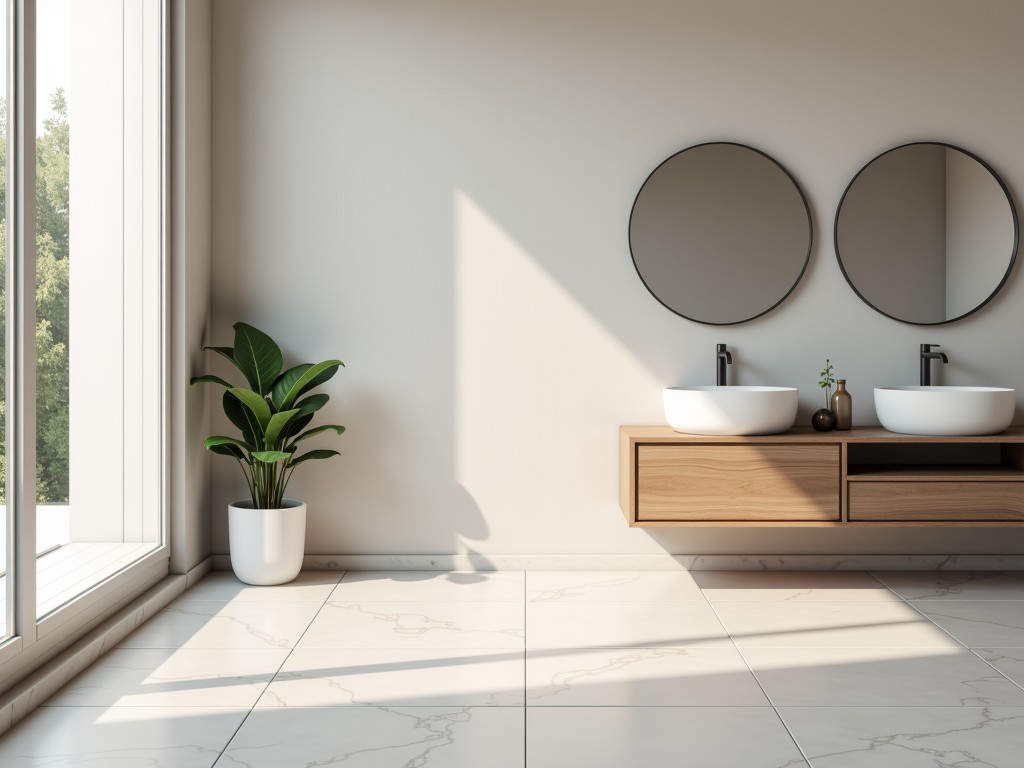
High-Performance Matte Porcelain Tiles for Industrial and Commercial Infrastructure
Selecting the appropriate surface material for high-traffic environments requires a balance between aesthetic requirements, mechanical durability, and slip safety standards. Unlike traditional glazed alternatives, matte porcelain tiles are engineered through high-pressure compression and vitrification at temperatures exceeding 1200°C. This process results in a non-porous body with exceptional structural integrity and superior wear resistance, making it a preferred specification for industrial flooring, commercial hubs, and heavy-use architectural projects.
Engineering Perspective: Surface Dynamics and Friction
The matte finish on porcelain tiles is not merely a visual choice; it is a functional outcome of the surface topography. The micro-textured surface increases the coefficient of static friction (COF), which is critical for meeting safety compliance in environments where moisture or liquid spills may occur.
From a maintenance standpoint, matte surfaces are significantly more resilient to micro-scratches and etching compared to high-gloss finishes. In industrial settings involving heavy equipment or frequent foot traffic, the matte texture diffuses light, effectively concealing surface wear and maintaining a consistent visual appearance without the need for frequent polishing.
Technical Specification Overview
| Property | Typical Value / Standard |
|---|---|
| Water Absorption | < 0.5% (Impervious body) |
| PEI Rating (Wear Resistance) | Class 4-5 (Heavy Commercial/Industrial) |
| Slip Resistance Rating | R10 - R11 (Depending on specification) |
| Modulus of Rupture | ≥ 35 N/mm² |
| Dimensional Tolerance | ± 0.1% - 0.2% |
| Thickness Options | 6mm to 20mm (Customizable) |
Application-Specific Utility
The versatility of matte porcelain allows it to solve distinct challenges across various sectors. Procurement teams typically evaluate these materials based on the specific environmental stressors of the project site:
- Logistics & Warehousing: High resistance to impact and mechanical abrasion from pallet jacks and automated guided vehicles.
- Healthcare & Laboratories: Non-porous surface that prevents bacterial growth and withstands rigorous chemical cleaning used in sterilization protocols.
- Hospitality & Retail: Enhanced slip-resistance properties for safety-critical areas while maintaining a modern, architectural aesthetic.
- Public Infrastructure: Durability against UV de-coloration and outdoor thermal expansion in high-traffic pedestrian zones.
Manufacturing and Quality Control Protocols
Our manufacturing process begins with precise material batching. Raw minerals—clay, feldspar, and silica—are ground to a specific micron level to ensure uniform density. This uniformity eliminates internal voids, which are the primary cause of structural failure in lower-grade ceramic-tiles.
During the firing phase, tiles pass through continuous roller kilns. The controlled thermal gradient prevents internal stresses, ensuring dimensional stability. Each batch undergoes rigorous testing for breaking strength and thermal shock to ensure that large-scale projects maintain consistent quality standards across thousands of square meters.
Customization and Logistics Support
For large-scale industrial developments, standard dimensions may not always align with structural requirements. We offer customization options including rectified large-format slabs to minimize grout lines and varying-thickness tiles for direct-bond over existing substrates.
Logistics stability is maintained through reinforced palletized packaging, designed to prevent edge chipping during international transit. We provide detailed technical data sheets and compliance reports to assist engineering teams in the specification phase of the project.
Frequently Asked Technical Questions
Can matte porcelain be used for heavy-duty industrial flooring?
Yes, provided a PEI Class 5 rating is specified. These tiles are designed to withstand high-traffic and moderate mechanical loads.
What is the difference between matte porcelain and matte ceramic?
Porcelain is fired at higher temperatures under higher pressure, resulting in a much lower water absorption rate (<0.5%) and higher hardness compared to standard ceramic.
What are the typical lead times for project-specific orders?
Lead times vary based on order volume and customization specifications. Please contact our technical team for a timeline based on your project schedule.
Ready to integrate matte porcelain solutions into your next project?
Request Technical Specifications & Quotation